I’ve been working out/intentionally moving to some capacity since I was 15 years old, whether it be sports, dance, weight training, etc. I’ve also been in the nutrition space since I was around 20 years old, having tried all the fad diets, different macro ratios, etc. as well. It’s safe to say that I’ve been in the space in some way for quite some time. Something I’ve seen pretty consistently throughout the years is the idea that fitness and nutrition is a *personality*, and therefore, is for some people, and not for some people, like hobby or something.
In this post, I’d like to convince you otherwise. Fitness should be seen as a regular part of your life, like brushing your teeth. Read on to learn what happens when we, as women, choose not to prioritize movement, what training gives you and how training is relevant to pre/postnatal women.
Disclaimer:
This post is for informational purposes only and is not a substitute for medical advice, diagnosis, or treatment. Always consult with your healthcare provider before starting any new exercise or health program, especially if you have underlying health conditions or are pregnant or postpartum.
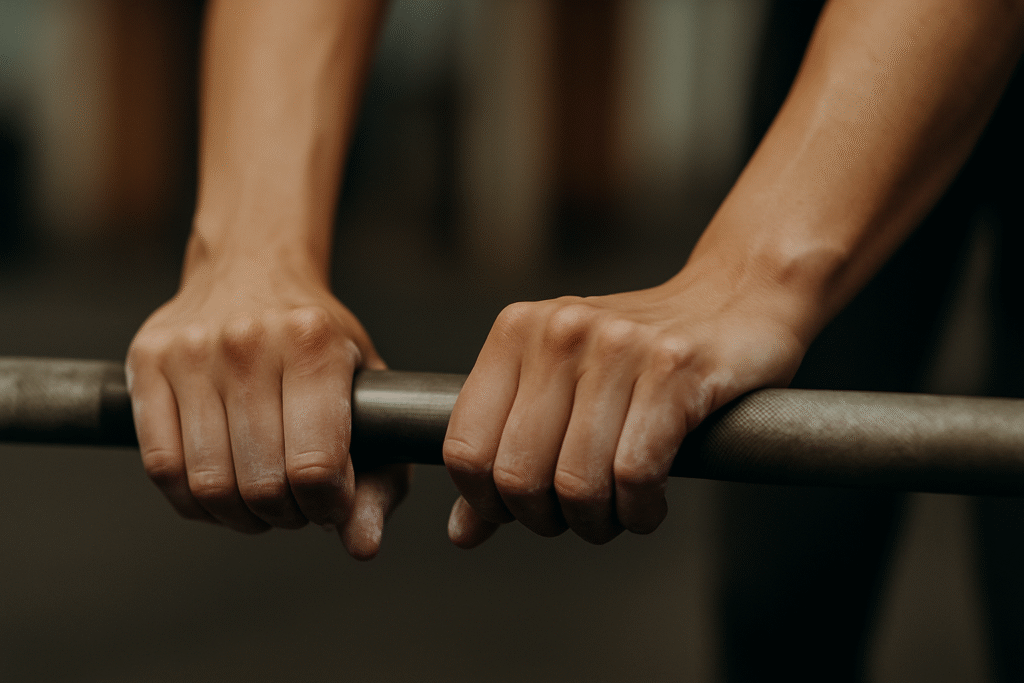
I’m not sure when this started happening, but somewhere along the way, society started treating fitness as optional. A hobby. A *personality type*.
And while more and more women are embracing strength training – which is a good thing – let’s be clear: movement is *NOT* a trend. It’s maintenance, or what I like to call muscle hygiene.
Sure, training with aesthetic goals is valid. But, for women in every season of life – whether you’re raising babies, navigating menopause, or just trying to stay well in a demanding world – training your body is about so much more. It’s about preserving your capacity to live, function and age well.
We should be treating training like brushing our teeth.
The Cost of Doing Nothing
Most women wouldn’t skip brushing their teeth for months and expect a clean bill of health at the dentist. Yet many go years—sometimes decades—without strength training and are surprised when their bodies start to feel like they’re falling apart.
Skipping training isn’t neutral. There are real consequences to avoiding the healthy stress your body needs to adapt and stay resilient. Here are a few of the most common risks women face when they don’t train:
1. Sarcopenia
- Sarco– (flesh, connective tissue) + –penia (loss or deficiency).
- This age-related loss of muscle tissue typically begins around age 30. Without regular resistance training, the body naturally loses 3–5% of muscle mass per decade due to a natural decline in activity as we age. Training helps prevent, slow, or even reverse this process.
2. Osteoporosis
- Osteo– (bone) + –porosis (porous condition).
- A condition where bone tissue breaks down faster than it rebuilds, increasing the risk of fractures.
- Weight-bearing movement—like walking, running, or lifting weights—is the body’s best defense because it signals bones to adapt and become stronger.
3. Cardiovascular Disease
- Includes coronary artery disease, hypertension, atherosclerosis, and metabolic syndrome (a cluster of risk factors like high blood pressure, high blood sugar, and excess abdominal fat).
- Resistance training improves heart health by lowering blood pressure, improving insulin sensitivity, and supporting healthy cholesterol levels.
4. Postural Decline & Joint Pain
- Inactivity leads to stiffness, instability, and compensatory movement patterns that cause pain.
- Without strength and mobility, everyday tasks—like lifting groceries, standing up from the floor, or climbing stairs—become difficult and painful. This limits independence and quality of life, especially with age.
- 5. Lower Metabolic Resilience
- Less muscle = a lower resting metabolic rate. This makes weight gain and blood sugar instability more likely.
- Muscle mass is crucial for hormonal balance, immune support, and even mental health.
- Simply put: muscle is protective. It’s the closest thing we have to a physiological fountain
5. Lower Metabolic Resilience
- Less muscle = a lower resting metabolic rate. This makes weight gain and blood sugar instability more likely.
- Muscle mass is also crucial for hormonal balance, immune support, and even mental health.
- Simply put: muscle is protective. It’s the closest thing we have to a physiological fountain of youth.
In Short
Choosing not to train is not a neutral decision—it’s a health liability. Strength training isn’t just about how you look. It’s about how you live, now and later.
Now that we’ve looked at what you lose when you don’t train, let’s talk about what you gain when you do.
The Benefits of Training – At Every Age
Training isn’t just about chasing youth—it’s about preserving vitality.
As we age, the body handles stress and basic movement differently. Everyday tasks can start to feel harder. But movement—especially structured, intentional training—is one of the most powerful ways to maintain ease, energy, and resilience throughout your life.
Here’s how regular training supports you at every stage:
- In your 20s–30s: This is your prime time for building peak muscle and bone mass. You likely have more energy, as well as natural resilience. Lifting and training now lays a strong foundation to support future pregnancies, smoother postpartum recovery, and healthier aging. It’s about maximizing your potential while you’re at your strongest.
- In your 30s–40s: Life is full—you’re raising children, managing work or home responsibilities, and navigating shifting hormones. Strength training helps you protect your function, improve mental clarity, and preserve longevity. Therefore, it’s your anchor in the chaos.
- In your 50s and beyond: This is when you reap what you’ve sown. The effort you invested earlier pays off with strength, independence, and resilience. Training helps you move through perimenopause and menopause with more ease—and stay active, capable, and vibrant for decades to come.
Training is one of the few tools that adds to both your healthspan and your lifespan. It pays back every bit of time and energy you put in—with interest.
Pre/Postnatal Women and Training
Pregnancy isn’t a fragile season—it’s a demanding one.
There’s still a lot of confusion and fear-mongering around training during pregnancy and postpartum. A quick scroll through Fitness Instagram will usually show two things: pregnant or postpartum women working out, and a flood of comments warning them they’re hurting their baby or spreading misinformation—often with judgment and little nuance.
But the truth is: movement during pregnancy and postpartum has many well-supported benefits. When done appropriately, training can support:
- Improved labor outcomes
- Smoother, potentially faster postpartum recovery (click here for a 6-week postpartum recovery program, starting as soon as a day or two after delivery)
- Prevention or reduction of pelvic floor dysfunction
- Reduced pain and better mobility through the body’s rapid changes
- Preparation for the physical demands of motherhood (carrying a car seat, babywearing, lifting a toddler, and sleepless nights)
In the postpartum season, we don’t need pressure from “bounce-back” culture. However, we do need recovery and support. And appropriate, intentional movement is a vital part of that healing—not just physically, but mentally and emotionally as well.
Training Is Not A Personality, Trend, or *VIBE*. It’s Hygiene.
Many definitions of the word ‘hygiene’ could be found, but I think my favorite one is:
Hygiene: a set of practices that are necessary to prevent the spread of disease and
preserve health.
Just like flossing, you don’t have to like training to benefit from it. You also don’t have to be fit to start with (most people who start aren’t fit, and that’s why they start). You just have to start,.
The truth is muscle is currency. Just like you work to earn, spend and save money, you train to earn muscle, use the resources it gives you, and save yourself from hurt and harm in the future.
And sure, you’re allowed to not want to train, but you would not be free from what may come if you choose not to train. Just like you may not want to brush your teeth, but you would not be free from cavities, gum disease, etc. if you choose not to brush your teeth.
So, let’s stop treating fitness like a phase or an identity. It’s not about being that kind of person. It’s about being someone who takes care of the one body they’ve been given; the body that allows you grow and birth beautiful babies, handle the stresses of your daily life, and so forth.
You only get one body. Treat it like it matters—because it does, more than you know.
Leave a Reply